BioEM
Secretariat
Elodie CHARAMNAC
Sophie LEBRAUD
 elodie.charamnac@xlim.fr sophie.lebraud@xlim.fr
Staff
5 permanent staff
News
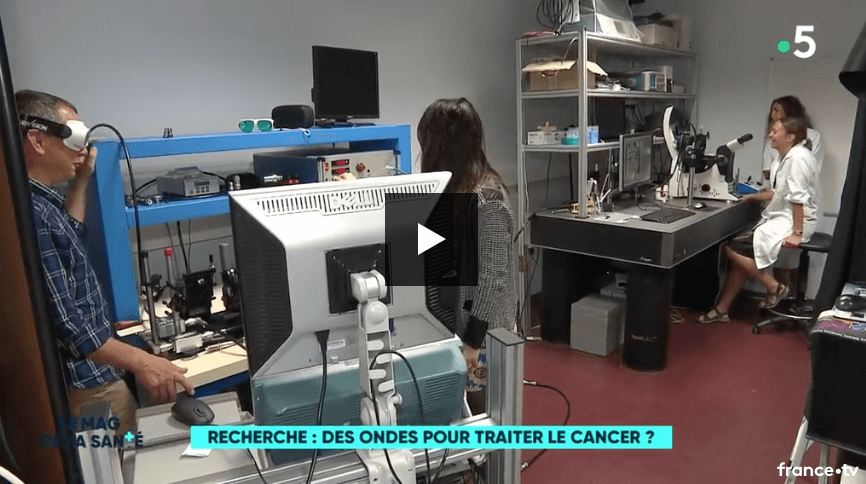
On 17 September 2018, “ Le magazine de la santé ” on France 5 broadcast a TV report on our research into therapeutic applications of nanopulses. It can be viewed by clicking on the image alongside (starting at the 30th minute).
Delia Arnaud-Cormos has been appointed junior member of the Institut Universitaire de France as of 1 October 2018, for a five-year term. Announcements and interviews – University of Limoges, CNRS INSIS, Xlim, Ensil-Ensci, Le Populaire.
International Biolectrics Consortium
In 2018, our team joined the International Bioelectrics Consortium at the 15th International Bioelectrics Symposium, in Prague (Czech Republic).
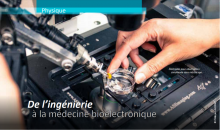
“From engineering to bioelectronic medicine” – Microscoop, the journal of the CNRS Centre Limousin Poitou-Charentes regional office, devoted an article to our research on electromagnetic fields for medical applications – Special issue – Oct. 2017.
Overview
The recent reshaping (Sept. 2016) of theBioEM team stems from the desire to bring together researchers, academics and physicians to carry out research at the interface ofengineering, biology andmedicine. Our work now falls within the emerging and very promising field ofbioelectric / bioelectronic medicine throughbioelectromagnetism, that is, the study of the interactions of electromagnetic waves with living organisms.
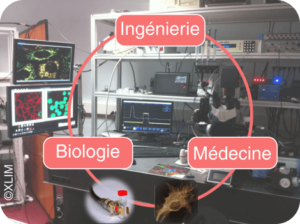
Our research at the interface of these three disciplines contributes to:
 the issue of the potential health effects linked to people’s exposure to electromagnetic waves,
understanding the mechanisms of interaction between electric / electromagnetic fields and living organisms,
developing new therapeutic applications based on electric / electromagnetic fields.
Scientific topics:
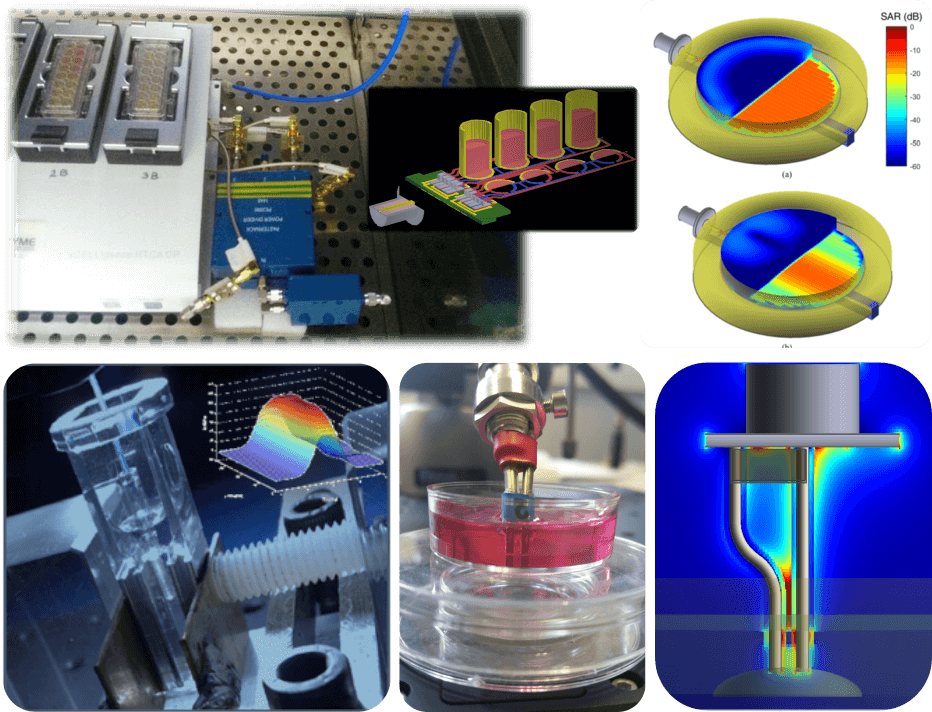
Generation, dosimetry and exposure systems dedicated to studies:
On the potential health effects of wireless telecommunication signals,
On the effects on living organisms of pulsed electric fields of very short duration (<10 ns) and very high intensity (>MV/m).
Analysis of the biological, biophysical or biochemical mechanisms linked to exposure to pulsed electric fields or microwaves, relying on:
the tools and resources of biophotonics and advanced bio-imaging,
various biological models in vivo, ex vivo, in vitro, in ovo, …
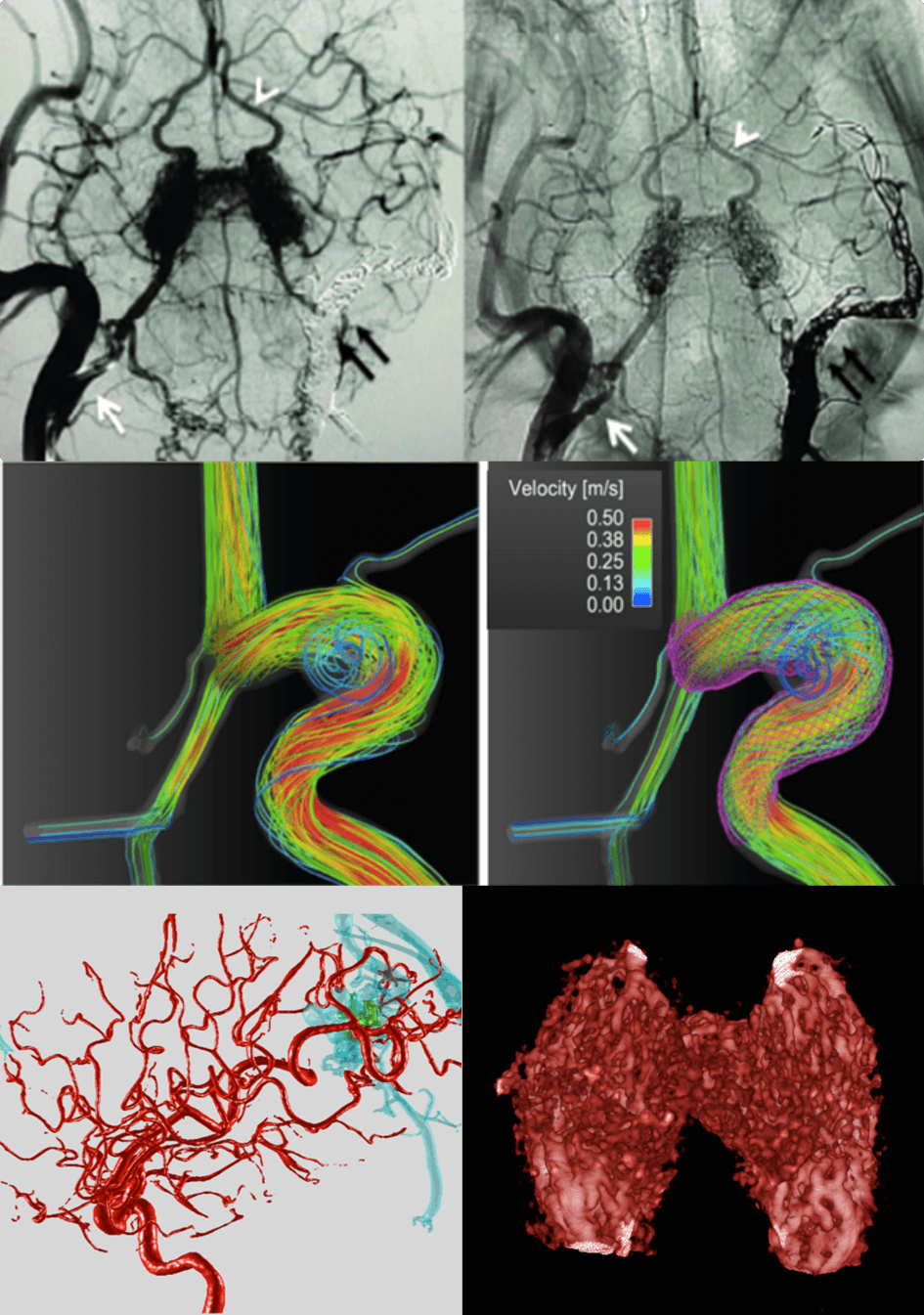
Understanding and managing cerebral vascular malformations whether arterial, venous or arteriovenous. Some of these lesions carry a risk of cerebral haemorrhage and others of ischaemia. Their treatment is still far from achieving its main goal, which is care with a reduced therapeutic risk.
Understanding and managing cerebral vascular malformations whether arterial, venous or arteriovenous. Some of these lesions carry a risk of cerebral haemorrhage and others of ischaemia. Their treatment is still far from achieving its main goal, which is care with a reduced therapeutic risk.
Treatment is mainly carried out within “ interventional neuroradiology ”. This discipline uses instruments that can be navigated inside the vessels from areas distant from the brain, with the help of imaging.
Reducing interventional risks depends on a better understanding of the disease and its progression, better visibility thanks to increasingly powerful imaging, and suitable endovascular navigation and repair equipment.
Our research addresses these three aspects, from understanding to care. We use animal models to develop suitable models, to develop and improve visualisation techniques, and to design and evaluate care devices.
Our work brings together medical specialists, imaging specialists, metallurgy specialists, veterinarians and physicists.
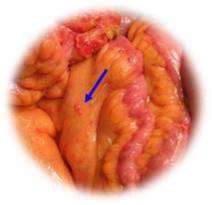
Diagnosis and management of superficial localised tumours for example on the peritoneum, the digestive tract or the pancreas.
Therapeutic progress is needed to continue developing minimally invasive strategies that are as effective as surgical treatments, which remain the reference for these pathologies with a definite oncological efficacy but a significant morbidity.
The team’s work makes it possible to develop new tools, in particular by developing the use of the therapeutic properties of microwaves and nanopulses by endoscopic route.
Ongoing project
This work currently relies on numerous local, national and international collaborations:
FP7 – GERoNiMO (Coll. IMS-Bordeaux)

H2020 – SUMCASTEC (Coordinator A. Pothier, XLIM)

ANSES MOTUS (Coll. IMS-Bordeaux)
ANSES Neurinf-1800 (with INSERM U.1127 – ICM, Hôpital de la Salpêtrière, Paris);
Other collaborations: IRCER-Limoges, SIAME-Pau, ODU-Norfolk (USA), IPBS-Toulouse, …
Members
LEA EBAM – European Associated Laboratory “Pulsed Electric Fields Applications in Biology and Medicine”

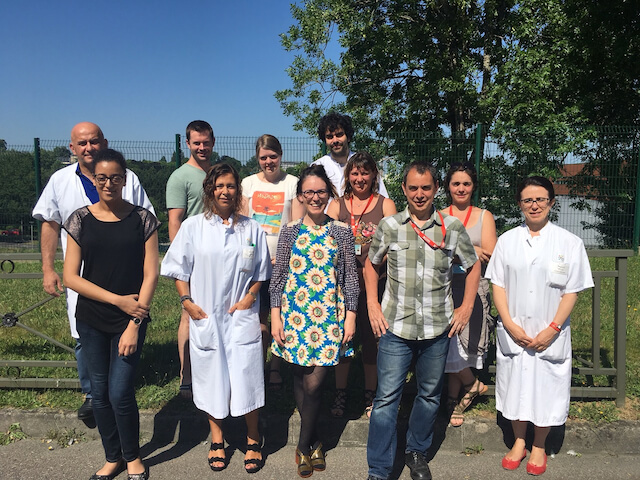
Team (June 2017)